Innovative Techniques in Duct Fabrication You Need to Know
Understanding the Ductwork Fabrication Process
Key Stages of Duct Fabrication
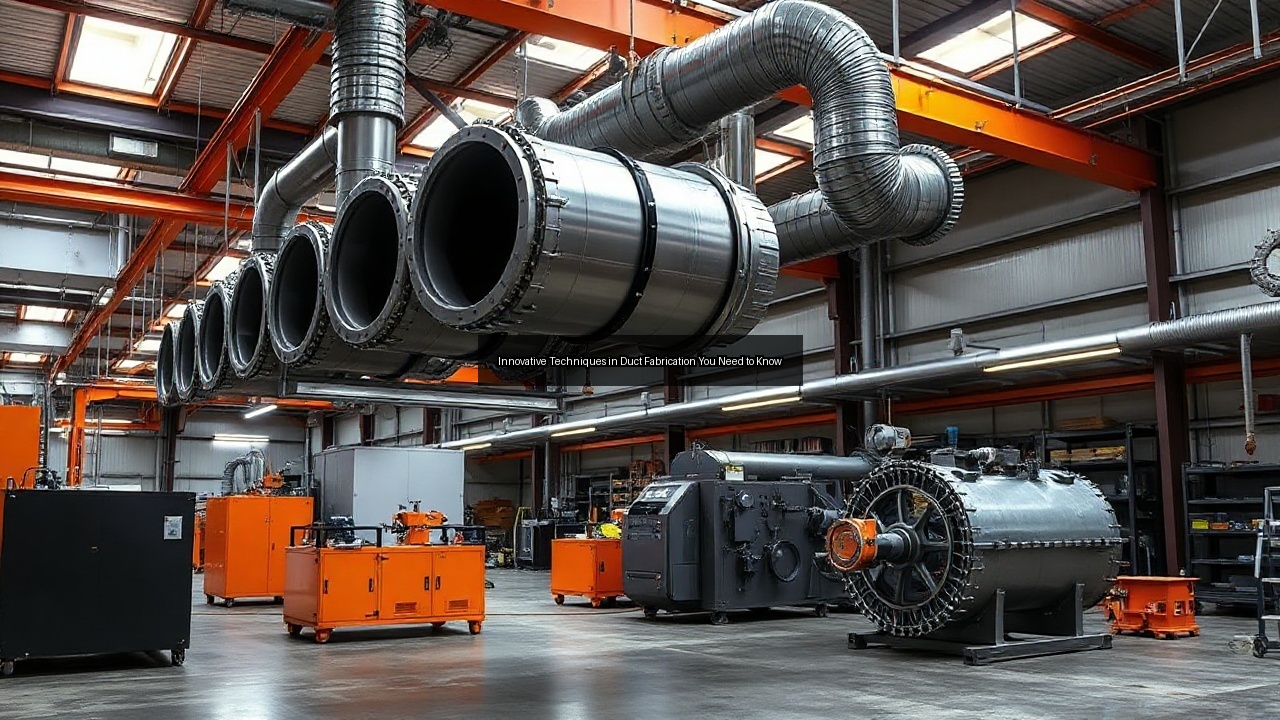
The ductwork fabrication process involves several key stages that ensure the final product meets the required specifications for air flow and efficiency. First, designers create detailed plans and specifications based on the needs of the HVAC system. These plans include measurements, material selections, and duct layouts. Following the design phase, manufacturers cut and shape raw materials, typically sheet metal, into the necessary components. This stage often employs advanced tools and machinery for precision cutting and bending. After fabrication, the ducts undergo assembly, where individual parts connect seamlessly to form a complete duct system. Finally, quality checks ensure that the ductwork meets industry standards and performs efficiently in its intended environment. Each stage plays a crucial role in the overall success of the ductwork fabrication process, ensuring that air ducts function effectively within HVAC systems.
Materials Used in Duct Manufacturing
Materials play a vital role in duct manufacturing, with choices impacting durability, performance, and cost. The most common material for air ducts is galvanized steel, known for its strength and resistance to corrosion. Aluminum ductwork is lightweight and offers excellent thermal efficiency, making it a popular choice for residential applications. In addition, flexible ducting made from plastic or other synthetic materials provides versatility in tight spaces. Each material has distinct characteristics that influence airflow, insulation, and maintenance requirements. Manufacturers must consider these factors when selecting materials, as they can significantly affect the overall effectiveness of the HVAC systems. Additionally, the rise of eco-friendly materials, such as recycled metal and sustainable insulation options, is becoming more prevalent, allowing for both performance and sustainability in ductwork fabrication.
Importance of Accurate Measurement in Duct Systems
Accurate measurement forms the backbone of effective duct systems. Precision in length, width, and diameter ensures that air ducts fit seamlessly within a building’s infrastructure, facilitating optimal airflow. Miscalculations can lead to improper duct sizing, resulting in increased energy consumption and reduced system efficiency. HVAC professionals utilize advanced tools, including laser measuring devices and duct fabrication calculators, to guarantee accurate dimensions during the design phase. Furthermore, accurate measurements contribute to overall system performance by preventing issues such as air leaks and reduced airflow. Consistency in measurement throughout the fabrication process allows for the creation of a reliable duct system that meets stringent industry standards, enhancing the longevity and effectiveness of HVAC solutions.
Innovative Techniques Revolutionizing Duct Fabrication
3D Printing in Duct Manufacturing
3D printing has emerged as a groundbreaking technique in duct manufacturing, offering unprecedented levels of customization and efficiency. This technology allows manufacturers to create complex duct designs that traditional methods cannot achieve. By using advanced materials suitable for HVAC applications, 3D-printed ducts can be tailored to specific airflow requirements and building layouts. This technique reduces waste and shortens production times, enabling quicker project turnarounds. Additionally, 3D printing facilitates the development of lightweight duct components, minimizing the load on structural systems and improving overall energy efficiency. As the technology continues to advance, its integration into ductwork fabrication services promises to enhance design flexibility while cutting costs and enhancing performance.
Smart Fabrication Technologies
Smart fabrication technologies are reshaping the landscape of ductwork fabrication, integrating advanced software and automation into the manufacturing process. Robotics and AI-driven systems streamline operations, enhancing precision and reducing the potential for human error. These technologies allow for real-time monitoring and adjustments during the duct fabrication process, ensuring that each component meets exact specifications. Furthermore, smart systems can assess energy efficiency and suggest design modifications based on performance data. Innovations such as predictive maintenance and IoT integration enable manufacturers to anticipate issues before they arise, significantly extending the lifespan of duct systems. As these smart technologies become more mainstream, they promise to optimize HVAC duct design and fabrication, leading to enhanced performance and energy savings.
Automated Duct Cutting and Bending
Automated duct cutting and bending represent another innovative advancement in ductwork fabrication. These systems utilize CNC (Computer Numerical Control) technology to achieve precise cuts and bends in various materials, including sheet metal and flexible ducting. Automation reduces labor costs and enhances efficiency by minimizing human error, allowing for rapid production of high-quality duct components. This technique is particularly advantageous for large-scale projects requiring consistency across numerous duct sections. By employing automated systems, manufacturers can also reduce material waste, contributing to more sustainable fabrication practices. The speed and accuracy of automated duct cutting and bending ensure that HVAC systems receive the expertly crafted ducts necessary for optimal airflow and performance.
Benefits of Modern Duct Fabrication Techniques
Enhanced Airflow Efficiency in HVAC Systems
Modern duct fabrication techniques significantly enhance airflow efficiency within HVAC systems. Precision cutting, advanced materials, and innovative design processes all contribute to streamlined airflow, reducing resistance and energy consumption. Properly fabricated ducts create a seamless pathway for air, minimizing turbulence and pressure drops that can lead to inefficiencies. Additionally, the use of smart technologies allows for real-time monitoring and adjustments, ensuring that the system operates at peak performance. Improved airflow translates to better climate control and comfort in residential and commercial spaces. As manufacturers adopt these advanced techniques, the impact on energy efficiency and overall system performance becomes increasingly evident, promoting both sustainability and cost savings.
Cost-Effectiveness of Advanced Fabrication Services
Advanced duct fabrication services offer considerable cost-effectiveness, particularly in large-scale projects. While the initial investment in innovative technologies may be higher, the long-term savings in energy efficiency and reduced maintenance costs often outweigh these expenses. Automated systems and smart fabrication techniques streamline production, resulting in faster project completion and lower labor costs. Additionally, accurate measurements and high-quality materials reduce the likelihood of costly errors and the need for rework. By investing in modern fabrication methods, businesses can achieve significant savings over time while ensuring that their HVAC systems operate efficiently and reliably.
Sustainability in Ductwork Production
Sustainability has become a crucial consideration in ductwork production, with modern techniques focusing on minimizing environmental impact. Manufacturers increasingly utilize recycled materials and eco-friendly manufacturing processes to create ducts that meet rigorous environmental standards. Energy-efficient production practices reduce waste and lower carbon footprints, aligning with global sustainability goals. Furthermore, advanced duct designs optimize airflow, contributing to energy savings throughout the lifecycle of HVAC systems. As the demand for sustainable solutions grows, ductwork fabrication evolves to incorporate materials and practices that support environmental stewardship, making a positive impact on the industry and the planet.
Choosing the Right Duct Fabrication Services
Evaluating Ductwork Fabrication Companies
Choosing the right duct fabrication services requires careful evaluation of potential companies. Factors to consider include experience, reputation, and the range of services offered. Established firms typically have a proven track record in delivering quality products, while customer reviews and testimonials can provide insight into their level of service. Additionally, assess the technology and materials used by the company, as these will directly impact the performance and durability of the ducts. Companies that prioritize innovation and sustainability often stand out, as they are more likely to provide modern solutions that align with industry standards. Conducting thorough research ensures that you select a fabrication partner capable of meeting your specific HVAC ductwork needs.
Utilizing Duct Fabrication Calculators
Duct fabrication calculators serve as indispensable tools for HVAC professionals, simplifying the design and estimation processes. These calculators help determine the required dimensions, airflow rates, and material specifications for specific duct systems. By inputting data such as the length of runs and desired airflow, users receive accurate calculations that inform their design decisions. This not only enhances the efficiency of the ductwork but also supports cost-effective material usage. Accurate calculations minimize waste and ensure that the resulting duct systems function optimally within the larger HVAC framework. Utilizing these calculators enhances overall project efficiency and ensures a successful ductwork fabrication process.
Understanding the Role of Custom Ducts in HVAC
Custom ducts play a pivotal role in optimizing HVAC systems for unique building layouts and specific airflow requirements. Off-the-shelf duct solutions often fail to meet the nuanced demands of varied environments, leading to compromised efficiency. Custom fabrication allows for tailored solutions that fit seamlessly into a building’s infrastructure, enhancing airflow and reducing energy loss. Furthermore, custom ducts can accommodate unique features such as sound dampening or specialized insulation, addressing specific needs within the space. By understanding the importance of custom duct solutions, businesses can ensure their HVAC systems operate at peak efficiency and deliver maximum comfort.