Unlocking the Power of Hub Flanges in Modern Engineering
Understanding Hub Flanges and Their Importance
The Role of Hub Flanges in Modern Engineering
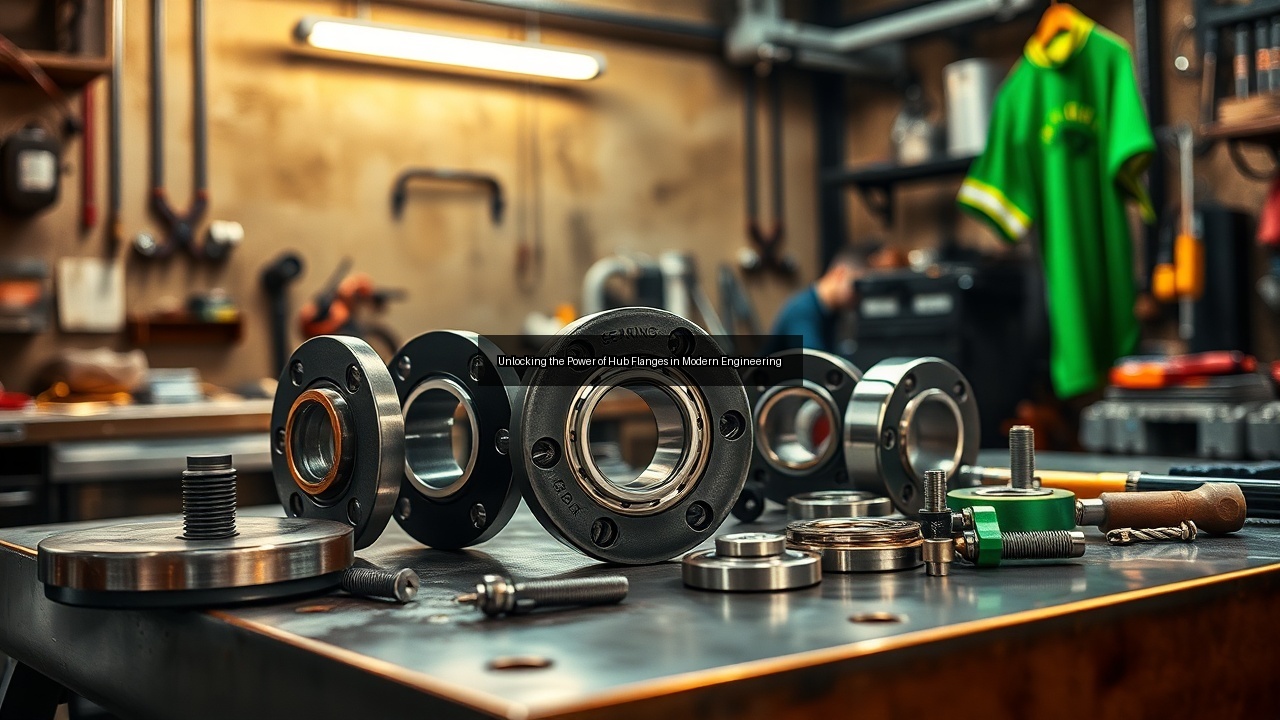
Hub flanges serve as critical components in various engineering applications, providing robust connections that enhance the overall functionality and efficiency of mechanical systems. These flanges facilitate the attachment of wheels and other rotating elements, ensuring stability and alignment. In industries ranging from automotive to aerospace, the integrity of a hub flange can significantly impact performance and safety. Engineers rely on these components to absorb and distribute loads, minimizing wear and tear on connected elements. The precise engineering of hub flanges also allows for easier maintenance and replacement, a vital factor in modern engineering practices where downtime can be costly. Additionally, advancements in materials and design have expanded the capabilities of hub flanges, making them essential for high-performance applications.
Differentiating Between Flanges and Hub Flanges
Understanding the distinction between general flanges and hub flanges is essential for engineers and designers. Flanges, in a broad sense, are mechanical components that connect pipes, valves, pumps, and other equipment to form a piping system. They come in flange hub various shapes and sizes, designed to accommodate different pressures and loads. Hub flanges, however, specifically refer to those flanges integrated into the hub of a rotating element, such as a wheel or bearing assembly. This targeted use allows hub flanges to handle rotational forces and axial loads effectively. Recognizing these differences enables engineers to select the appropriate flange type for their specific applications, thereby maximizing performance and reliability.
Applications of Hub Flanges in Engineering
Hub Flanges in Mechanical Systems
Hub flanges play a pivotal role in mechanical systems by providing secure mounting points for components that endure significant rotational and axial forces. In automotive engineering, for instance, hub flanges connect wheels to the vehicle's axle, allowing for smooth rotation while maintaining alignment. In industrial machinery, these flanges support rotating shafts and bearings, ensuring the efficient transfer of energy and motion. Their design allows for the quick assembly and disassembly of parts, which is advantageous during maintenance and upgrades. Furthermore, the versatility of hub flanges extends into robotics, where they facilitate the integration of motors with wheels, enhancing the mobility and functionality of robotic systems. As mechanical systems become more complex, the importance of reliable hub flanges continues to grow.
The Use of Flange Ball Bearings in Hub Assemblies
Flange ball bearings are integral to the performance of hub assemblies, providing smooth rotation and reducing friction. These bearings, often housed within a hub flange, allow for efficient transfer of loads between the rotating element and the stationary structure. The incorporation of flange ball bearings enhances the overall reliability of the assembly, particularly in high-stress applications such as automotive and aerospace engineering. Properly designed and installed, these bearings minimize wear over time, extending the service life of the hub assembly. The synergy between hub flanges and flange ball bearings also facilitates better alignment, reducing the risk of misalignment-related failures. Engineers often select specific bearing configurations based on the application, ensuring optimal performance and safety in demanding environments.
Set Screws and Their Connection to Hub Flanges
Set screws play a crucial role in securing hub flanges to rotating shafts and other components. These screws, typically threaded and designed for tight fit, prevent rotational slippage and maintain the integrity of the assembly. In applications where precise alignment is necessary, set screws provide an effective solution, ensuring that the hub flange remains firmly attached to the shaft during operation. The selection of the appropriate set screw type and installation method can significantly influence the performance of the hub assembly. Engineers must consider factors such as load conditions, vibration, and environmental conditions when choosing set screws. Properly installed set screws contribute to the overall reliability of the mechanical system, enabling smooth operations and reducing maintenance needs.
Innovations and Trends in Hub Flange Design
Material Advances: From Steel to Composite Flanges
Recent advancements in materials have transformed the design and functionality of hub flanges. Traditionally, steel has been the go-to material for its strength and durability. However, emerging materials such as composites are gaining traction due to their lightweight properties and resistance to corrosion. Composite flanges offer significant advantages in applications where weight reduction is critical, such as in aerospace and high-performance racing vehicles. These materials can withstand extreme conditions while maintaining structural integrity, leading to enhanced performance and efficiency. As manufacturing techniques improve, the ability to produce complex shapes and designs with composite materials will likely lead to even more innovative hub flange solutions, catering to the evolving demands of modern engineering.
The Impact of Engineering Innovations on Hub Flanges
Engineering innovations continue to shape the development of hub flanges, enhancing their performance and adaptability. Advanced manufacturing processes such as 3D printing and CNC machining have enabled the creation of flanges with intricate geometries, optimizing their strength-to-weight ratio. Additionally, computer-aided design (CAD) software allows engineers to simulate and analyze the behavior of hub flanges under various load conditions, leading to more informed design decisions. Innovations in surface treatments and coatings also contribute to improved wear resistance and longevity of hub flanges. As industries push for higher efficiency and sustainability, the evolution of hub flange technology will play a vital role in meeting these challenges, ensuring that mechanical systems operate at peak performance.
Real-World Examples of Hub Flanges in Action
Case Study: Tom Pidcock's Use of Hub Flanges in Competitive Cycling
Tom Pidcock, a prominent figure in competitive cycling, showcases the critical role of hub flanges in high-performance bicycles. His racing bikes incorporate advanced hub flanges that contribute to weight reduction and improved aerodynamics, essential for gaining an edge in competitions. The integration of lightweight materials and precision-engineered hub flanges allows for optimal power transfer from the cyclist to the wheels, enhancing acceleration and speed. Pidcock’s success in races, including his performance in the Tour de France Femmes, underscores the importance of relying on top-quality components, including hub flanges, to achieve peak performance. His experience illustrates how even the smallest details in design can have a significant impact on success in highly competitive environments.
Analyzing the Performance of Hub Flanges in the Tour de France Femmes
The Tour de France Femmes provides an excellent platform to analyze the performance of hub flanges in competitive cycling. During this prestigious event, cyclists rely on equipment that maximizes efficiency and performance. The hub flanges used in bikes participating in the race must endure rigorous conditions, including steep climbs and fast descents. Engineers meticulously design these flanges to withstand the stresses of professional cycling, ensuring that they maintain their integrity throughout the event. Observations from the race reveal that well-designed hub flanges contribute to lower rolling resistance and enhanced stability, factors that can determine the outcome of a race. The integration of high-quality materials and innovative designs in hub flanges plays a significant role in the success of athletes competing at this elite level.
See Also
- How to Troubleshoot Common Issues with Hub Flanges
- How the Right Flange Design Can Transform Your Cycling Experience
- Selecting the Right Flange for Your Hub System
- Exploring the Connection Between Hub Flanges and the Tour de France Jerseys
- Tour de France Femmes Winning with the Right Gear and Hub Flanges